
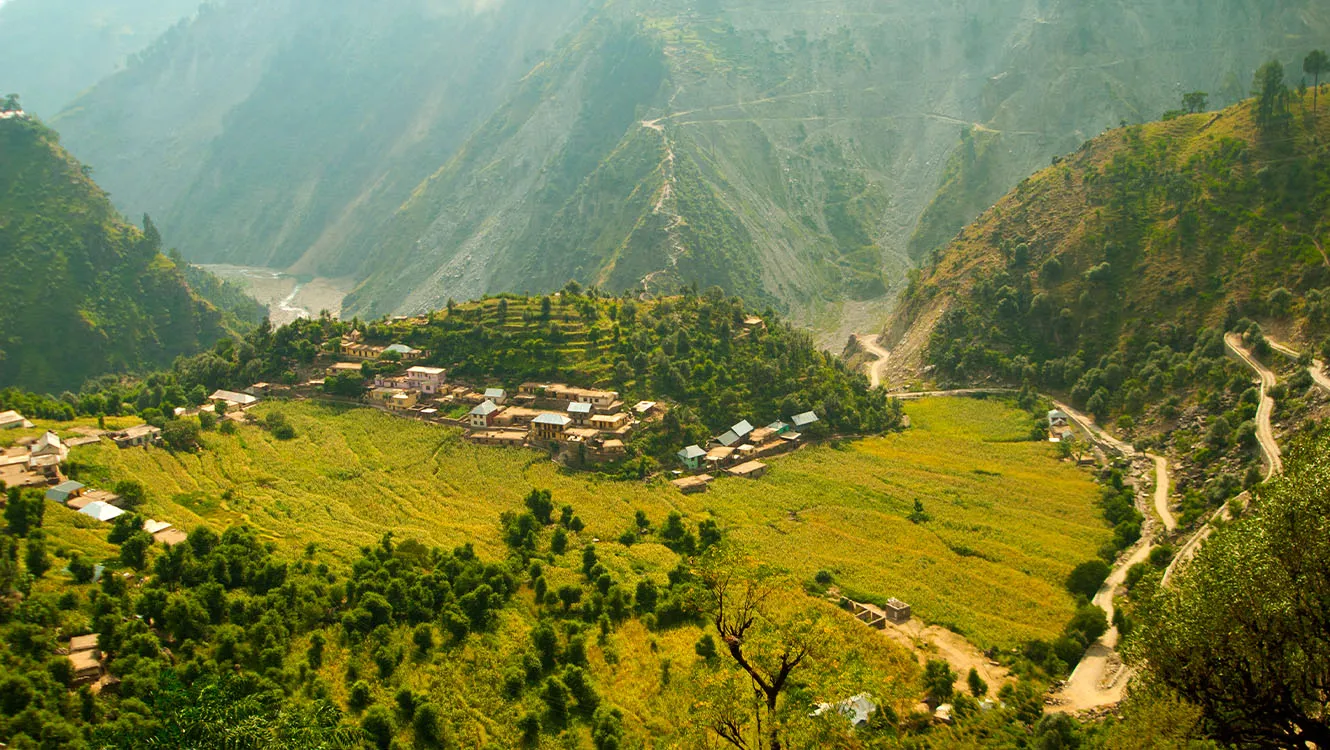
This batch of crops is from the Organic Farms of Jammu, which is situated in the Khour (Akhnoor) district of Jammu (Jammu & Kashmir). Jammu city lies at uneven ridges of low heights at the Shivalik hills in North India. It is surrounded by the Shivalik range to the north, east, and southeast while the Trikuta Range surrounds it in the northwest region.
In 2009, NBF began organic Basmati production and certification in the Jammu region by taking 440 farmers with 555 hectares of land in 16 villages, and in 2014, by looking at the interest of Basmati producers, we added 1988 more farmers with 2225 hectares of land. In 2018, we added 2572 farmers to our organic rice cultivation program, bringing the total to more than 5000 farmers.
Social Certification

Fairtrade Certified Jammu Project
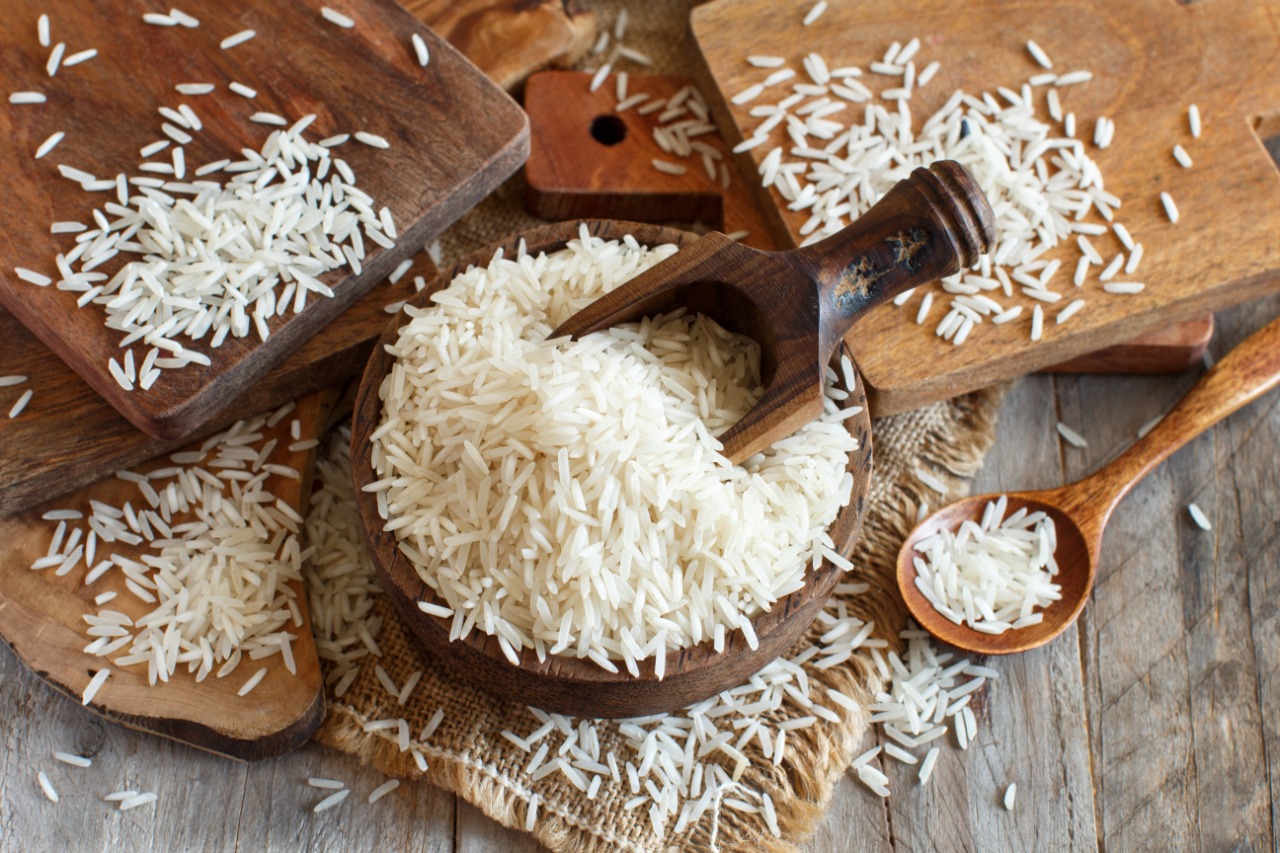
NBF complies with Fairtrade’s approach to enable farmers and workers to have more control over their lives and decide how to invest in their future.
NBF in order to make trade fair for everyone comply with FairTrade’s standards. We support Fairtrade and follow its associated norms.
Our products come with the FAIRTRADE Mark which certifies that we have met internationally agreed standards that have been independently verified.
Involved Farmers and workers at NBF have a strong voice at every level of trade, from how they invest in and run their farms to having an equal say in our discussion forums and suggestions as an SOP of Fairtrade.
We have followed the Fairtrade practices and followed the way trade works through better prices, decent working conditions, and a fairer deal for farmers and workers everywhere.

Regenerative Organic Alliance Certified Jammu Project
Beyond Organic
NBF envisions a world free of poisonous chemicals, factory farming, exploitation, income inequality, soil degradation, habitat destruction, pollution, short-term thinking, corporate bullies, greenwashing, and fake food thus following the standards laid down by ROC.
NBF is working towards making a world in which farmers, brands, policymakers, educators, researchers, and individuals join together to create a healthy food system that respects land and animals, empowers people, and restores communities and ecosystems through the practices and principles of regenerative organic farming.
NBF values the health of our incredible, interconnected planet and all who call it home—those above and below ground. To ensure a healthy planet, abundant and nutritious food, and thriving people long into the future, we believe in continuously improving the way we farm.


Animal Welfare
- Freedom from Discomfort, Fear and Hunger
- Grass-Fed / Pasture-Raised
- Limited Transport
- No CAFOs
- Suitable Shelter

Soil Health
- Conservation Tillage
- Cover Crops & Follow Rotations
- No GMOs / Gene Editing and Synthetic Inputs
- No Soilless Systems
- Preference to Promote Biodiversity
- Rotational Grazing

Social Fairness
- Capacity Building
- Democratic Organizations
- Fair Payments for Farmers and Good Working
Conditions - Living Wages and Long-Term Commitments
- No Forced Labor & Freedom of Association
- Transparency and Accountability
Jammu – The place where mountains reside
At an average elevation of 300 m, Jammu city lies at uneven ridges of low heights at the Shivalik hills. Jammu is surrounded by the Shivalik range to the north, east, and southeast while the Trikuta Range surrounds it in the northwest. It is not close to the National capital but is not too far as well.
Agricultural Characteristics
Two types of soils are mainly observed in the district viz. Litho soil and Alluvial soil. Litho soil is found on steep slopes in the foothills of the Jammu district. The soil is gravelly loam to gravelly silty loam. The pH of the soil is nearly neutral (7.1 to 7.8). The soils have a good water-holding capacity.
The alluvial soils are mostly found in the flood plains of the Ravi, Chenab, Jhelum, and Sind rivers and their tributaries. In other words, sand, silt, and mud brought down by rivers in floods and deposited on temporarily submerged land are known as alluvial soils. These are the most productive soils of the state, found mainly in the Jammu- plain and at narrow river terraces along the tributaries of the Chenab, Jhelum, and their tributaries.
Superior soil textural qualities with good Soil carbon, excellent water holding capacity, and balanced PH favor farmers to produce excellent quality basmati rice in this region.
Litho Soil: Litho soil, predominantly found on steep slopes in the foothills of the Jammu district, is characterized by a gravelly loam to gravelly silty loam texture. It has a nearly neutral pH and exhibits good water-holding capacity.
Alluvial Soil:In contrast, alluvial soil is another prevalent soil type in the district, formed by the deposition of sediment carried by rivers. Alluvial soil is generally fertile, well-drained, and suitable for various agricultural crops.
Climate Condition
In the Jammu region, the temperature varies from cold in winter with a minimum temperature touching even 0.9 degrees Centigrade to a heatwave in summer when the temperature shoots up to 46 degrees centigrade, and the relative humidity is about 70% to 80%. Temperature During the Basmati crop period (July to Oct) average day temperature of the region varies from 22 to 35°C and relative humidity ranges from 70% to 80%.
Studies showed that the Basmati variety seems to contain a stronger aroma if the day temperature remains cold between 25 to 32°C whereas overnight temperature should be between 20 to 25°C. The humidity should be 70-80% in grain-filling and primordial phases.
Scientifically proven that the climatic parameters of the Jammu region are most suitable to produce superior aromatic quality Basmati rice and thus is our excellent choice of base for growing Basmati Rice.
Temp.
Minimum

0.9°C
(Dec-Jan)
Maximum

46°C
(May-June)
Humidity
Relative Humidity

70%-80%
Rainfall
Average Rainfall

800-1300 mm
Seasons
There are mainly three seasons.

Summer
(Mar-June)

Rainy
(July-Sep)

Winter
(Oct-Feb)
Farm Water Availability
The major sources of irrigation in the Jammu district are surface and groundwater sources. As per Digest of Statistics 2009-10, the canal irrigation accounts for 567.26 Sq. Km., pond irrigation accounts for 0.07 Sq. Km. The area irrigated by wells is 15.69 Sq. Km. The net area irrigated by other sources is 41.05 Sq. Km. In the Jammu area, two major irrigation schemes exist.
1. Ranbir Canal
2. New Pratap Canal.
In Akhnoor Tehsil, the New Pratap canal is the major source of irrigation purpose. The snow-melted Himalayan water is supplied by both Canals and the water was mostly used to irrigate Basmati crops.
Nature of Farmers
- Most of the farmers are educated and have good experience in growing organic crops.
- Still using traditional farming
- practices along with modern technological interventions.
- Ready to adopt innovations and interventions.
- Small and marginal farmers with average land holding below 1 ha.
- Indo-Pak borderline farmers are facing many restrictions.
- Respect for elders, parents, and traditions.
Growing Conditions
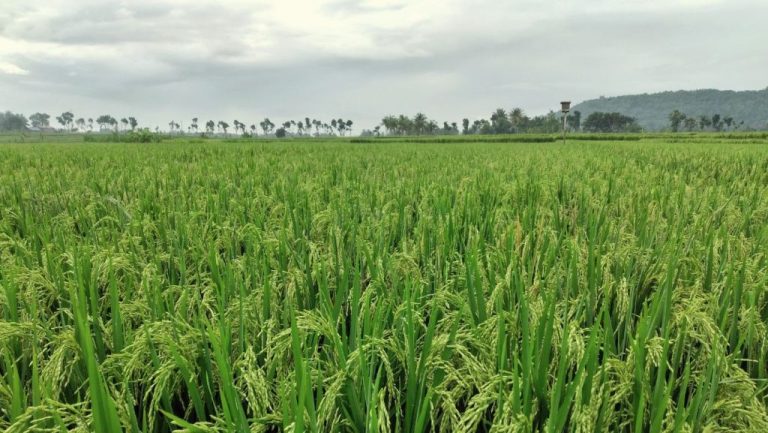
Due to favourable agro-climatic conditions (mainly low temperature during the ripening period) in the Jammu region, the zone is highly suitable to produce rice in general and quality Basmati rice in particular. In this region, the area mainly under Basmati rice was 40000 hectares with a production of 90000 tonnes during 2019-20.
Crop Details
Rice cultivation is an integral component of the rich cultural heritage of the state. The crop is grown on 100% irrigated ecology in Jammu & Kashmir valley and melting snow is the main source of water.
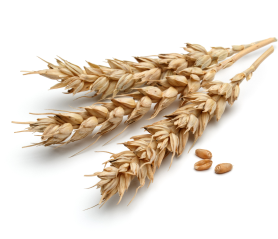
Rabi
- Wheat
- Mustured
- Lentil
- Flexseed
- Coriander
Kharif
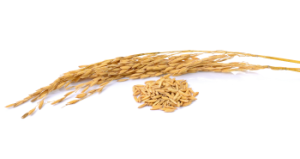
- Non-Basmati
- Kala Namak paddy
- Basmati paddy
- Peagon pea
- Maize
NBF Supply Chain
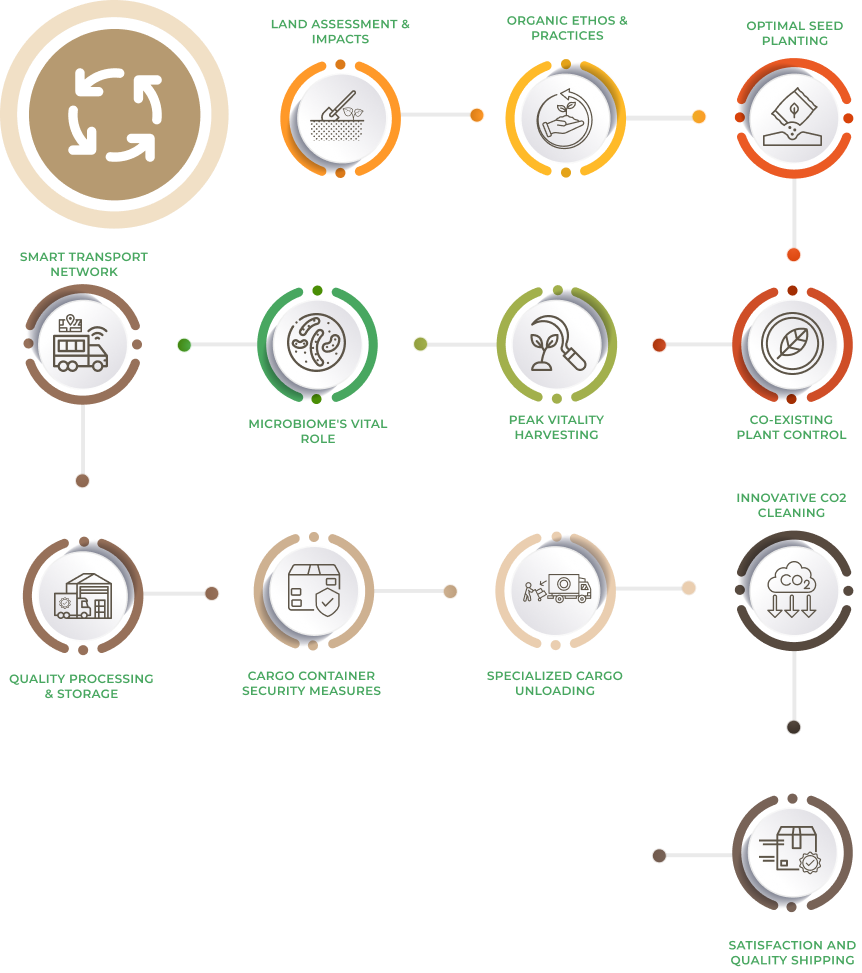
Detailed scientific study is carried out before establishing any project to check suitability of the land, crop specific climatic requirement and its socio economic & environmental impacts.
Ethos of Organic agriculture is to work with the nature and having a minimalistic approach in using natural resources which is judicial. Different crops that we grow require varied agro practices. Our operations are always focused to minimizing tillage operations, keeping the co-plants (conventionally called weeds) at control and developing a natural ecosystem to flourish for not allowing any insect/ pathogen to grow beyond an economic threshold level to be called as ‘pest’.
Planting materials, more often called as ‘seeds’, represent enormous potential. Every seed carries an imprint of cosmic arrangements and thus it is critical that seeds are sown at a time, depth and season which is the best suit for balancing vitality and yield.
It is important that the growth of co-existing plants are kept in economic control for commercial cultivation of main crops. We reckon that every plant that grows naturally on a cropping field has a defined role to play in directly or indirectly contributing to balanced growth of the main crop or by suppressing other co-crops by means of allelopathy.
Harvesting is the operation of gathering the useful part or parts of the plant and is carried out at the time when all the nutrients have developed to offer maximum vitality. We align ourselves to the lunar cycle in determining the best time to initiate harvesting.
At Nature Bio Foods, we essentially consider the microbiome as the true torch bearers of universal life. Without the myriad and most critical roles they play in harnessing nutrients, fetching moisture, contributing essential enzymes and antibiotics to the plants life in the planet are most improbable. We work with nature to create that ambience in which crops planted are self-sustaining and robust. Home grown microbial cultures, compost and compost tea facilitates the purpose aptly.
Smart Transport network enables agriculture and emboldens the farmer to invest more and increase production. All but an efficient transport system would often fail essence of commercial agriculture in spite of laid out good farming practices. Post-harvest quick transportation that suits the best to the environmental causes has been kept in focus at our supply chain.
Quickly transported Organic ingredients, once reach the processing units, are cleaned at our state-of –the-art units and stored in modern hygienic facilities for onward packaging and distribution.
To ensure the stability of cargo containers during transportation across various modes, several pre-defined measures are implemented. In waterway shipping, solid foam or folded fibre board is strategically placed in the curved or triangular areas of the container’s floor. This placement effectively prevents the shifting of the load, providing better support and keeping the cartons upright.
During the unloading process, specialized tools and equipment are used to prevent any loss or damage to the organic ingredients. These measures ensure that the organic food ingredients are handled with care and maintain their quality throughout the procedure.
At our Rotterdam warehouse, we have implemented an innovative in-house CO2 cleaning system that plays a crucial role in reducing our environmental impact. This advanced technology allows us to recover up to 98% of the carbon emitted during the organic ingredients processes. By capturing and recycling this CO2, we actively contribute to minimizing greenhouse gas emissions and promoting sustainable practices.
At the last stage, the pallets containing organic ingredients are delivered to the customers, prioritizing their utmost satisfaction. Compressive SOPs and tracking procedures are in place to prevent package loss and provide timely updates regarding the shipment status. This ensures a smooth and reliable delivery process.
How to Reach Jammu?
Jammu can be accessed from any part of the country because of its importance and the good network of transport modes.
By Train
Jammu Tawi is an important station of the Indian railways. Almost all cities have a train connected to the Jammu Tawi express which directly arrives at Jammu.

By Road
The NH1 passes through Jammu and connects it to Kashmir. Buses from Amritsar, Delhi, and Punjab are also commonly used to travel to Jammu.

By Air
The nearest airport from Jammu is Satwari Airport in Jammu. It is connected with major cities like Delhi, Mumbai, Leh, and Srinagar.



Elevation
It has an average elevation of roughly 400 meters.
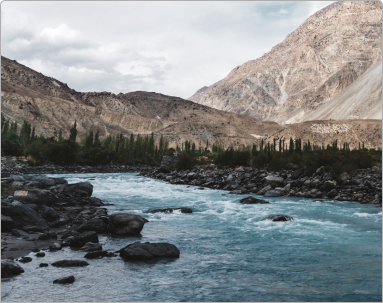

River
Jammu is situated on the banks of the river Tawi.
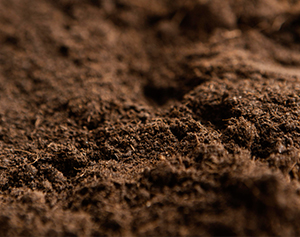

Soil
Two types of soils are mainly observed in the district- Litho sol and Alluvial soil.
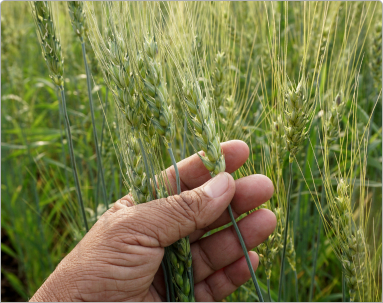

Crop
This zone is highly suitable to produce rice in general and quality Basmati rice in particular.
Our Impact

Impact of Our Farmers
Farmers use a variety of methods to improve soil fertility, including crop rotation, cover cropping, and application of compost. By reducing intensive tillage, less soil organic matter is lost to the atmosphere. This has the added benefit of carbon sequestration, which in turn reduces greenhouse gases and helps reverse climate change. Reducing tillage also improve soil structure and reduce soil erosion as well as desertification.

Difference our People are Making
Multiple Processes have been started for the conversion of land from conventional management to organic management. NBF Jammu team through proper guidance, extended support, and technological interventions are helping organic growers of Jammu in their farming pratices. With the continuous support form our people, farmers are producing and selling quality produce while receiving higher returns from the produce, which in turn will promote them to bring more and more area under organic cultivation.

Contribution by our Customers
Consumers has become more aware of the food they consume. This awareness is also due to the fact that our food sourcing processes has become hazardous to the environment and directly contributes to climate change. Globally climate change has resulted in floods, drought and harsh weather which is directly impacting the consumers. Therefore people are moving towards organic in all aspects of their life. Nature Bio Foods is helping the conscious consumers to eat not just healthy but help save our soil, climate and future. NBF consumers are consuming not just organic but also reducing their own carbin foot prints.